
“What Is Co-Regulation?”
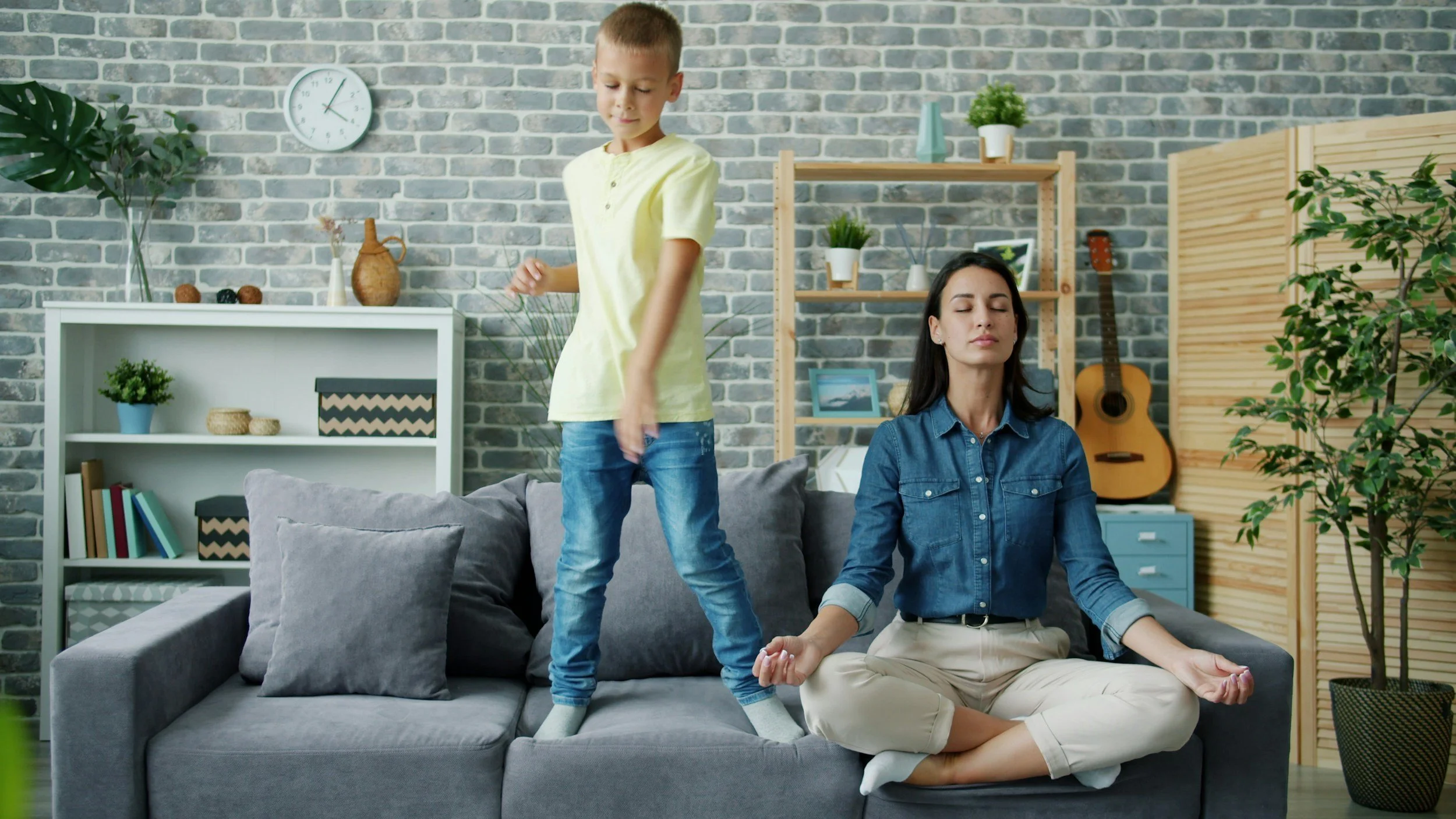
We often tell children:
"Calm down."
But what if they don't yet know how?
Co-regulation is the process of helping a child manage emotions and responses through a supportive relationship with another person.
Before children can consistently regulate themselves, they often need adults to help them through difficult emotions.
What Does Co-Regulation Look Like?
Co-regulation might mean:
Staying calm when your child is overwhelmed
Acknowledging their feelings
Using a calm voice
Reducing demands temporarily
Offering movement or sensory strategies
Helping them identify what their body needs
Problem-solving once everyone is calm
It doesn't mean removing every boundary or preventing children from experiencing difficult emotions.
Instead, you're helping them move through those emotions safely.
Why Does It Matter?
Self-regulation develops over time.
Children learn not only from what adults tell them, but also through repeated experiences of being supported when emotions become difficult.
Eventually, strategies that initially required an adult can become tools children begin using independently.
How GET Can Help
At Global Education Therapy, self-regulation and co-regulation are important parts of our work with children and families. For more information on ideas and strategies, check out our webinar here.
Our occupational therapists can help parents understand their child's individual regulation needs and develop realistic strategies for home, school, travel, and international transitions.
Remember: regulation isn't about being calm all the time. It's about developing the skills to recognize, manage, and recover from different emotional states.