
“Why Does My Child Have Such Big Feelings?”
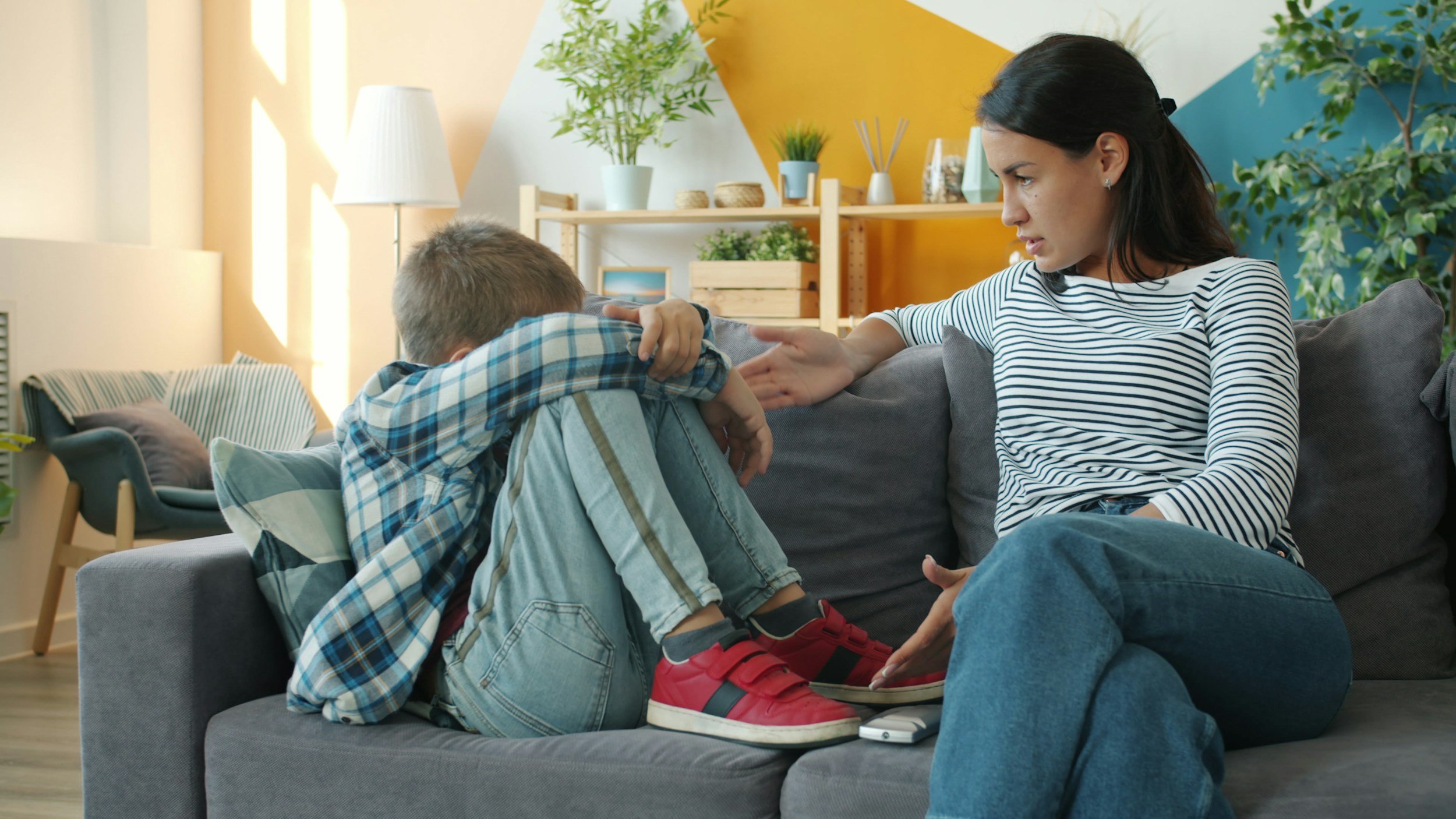
Every parent has experienced moments when their child seems overwhelmed by emotions. A small disappointment suddenly turns into a big meltdown. Transitions become difficult. Homework ends in tears. Bedtime feels impossible.
If you've ever wondered:
Why does my child have such big emotions?
How can I help my child regulate their emotions?
What is co-regulation?
You're not alone.
These are some of the most common questions parents ask today—and they are questions we hear every day at Global Education Therapy (GET).
Whether your family is living abroad, adjusting to a new country, navigating an international school, or simply trying to manage everyday stress, understanding self-regulation and co-regulation can make a meaningful difference for both children and parents.
What Is Self-Regulation?
Self-regulation is the ability to recognize, understand, and manage our emotions, thoughts, and behaviors.
Children use self-regulation skills to:
cope with frustration
recover from disappointment
manage transitions
stay focused
solve problems
express emotions appropriately
These skills don't develop overnight. They grow gradually through supportive relationships and repeated experiences.
Some children—including those with ADHD, autism, anxiety, sensory processing differences, or executive functioning challenges—may need additional support developing these skills.
Before Children Can Self-Regulate, They Need Co-Regulation
One of the biggest misconceptions is that children should simply "learn to calm themselves."
In reality, children first learn to regulate with a trusted adult before they can regulate independently.
This is called co-regulation.
Co-regulation means that a calm, connected adult helps a child move from a state of overwhelm back to a state where they feel safe, understood, and ready to problem solve.
Rather than focusing only on correcting behavior, co-regulation focuses on building emotional safety and connection.
Creating Safe Spaces for Big Feelings
A safe space doesn't have to be a special room or expensive sensory area.
A safe space is any environment where a child feels:
emotionally accepted
physically safe
supported without judgment
understood during difficult moments
This might include:
a quiet corner with favorite books
a cozy chair or blanket
calming sensory tools
breathing exercises
soft lighting
a predictable routine
Most importantly, a safe space includes the presence of a calm adult who helps children navigate their emotions rather than face them alone.
Supporting Self-Regulation at Home
Parents play one of the most important roles in helping children develop emotional regulation skills.
Some helpful strategies include:
Maintaining predictable routines
Preparing children for transitions
Naming and validating emotions
Modeling calm responses
Building in opportunities for movement and sensory regulation
Creating safe spaces where children can recover after overwhelming experiences
These small, consistent moments of connection help children develop lifelong regulation skills.
Supporting Parents, Too
Parenting a child with big emotions can be exhausting.
Many parents feel frustrated, overwhelmed, or unsure of what to do next.
One important reminder is this:
Parents need regulation, too.
Children borrow our calm when we are able to remain grounded during difficult moments.
Learning self-regulation strategies isn't only beneficial for children—it helps parents feel more confident, connected, and supported as well.
Check Out Our Pre-Recorded Webinar: Self-Regulation Starts With Connection
If you've ever wondered how to help your child manage big emotions—or how to stay calm during difficult moments—we invite you to watch our pre-recorded webinar focused on self-regulation, co-regulation, and practical strategies you can start using today.
In this webinar, you'll learn:
✔️ What self-regulation really means
✔️ What co-regulation means and why it is important
✔️ Four practical strategies you can implement right away to support your child during challenging moments
✔️ Simple tools that support both parents and children
Whether your child is a toddler, school-aged, or navigating the challenges of international life, this webinar offers practical, evidence-based strategies that can help create a calmer, more connected home.
Watch the pre-recorded webinar here: https://youtu.be/JTxwtgiHE8Q
Because when children feel safe, connected, and understood, they are better able to learn, grow, and thrive.